
Why Choose a Motorised Scooter Adults Can Ride Daily?
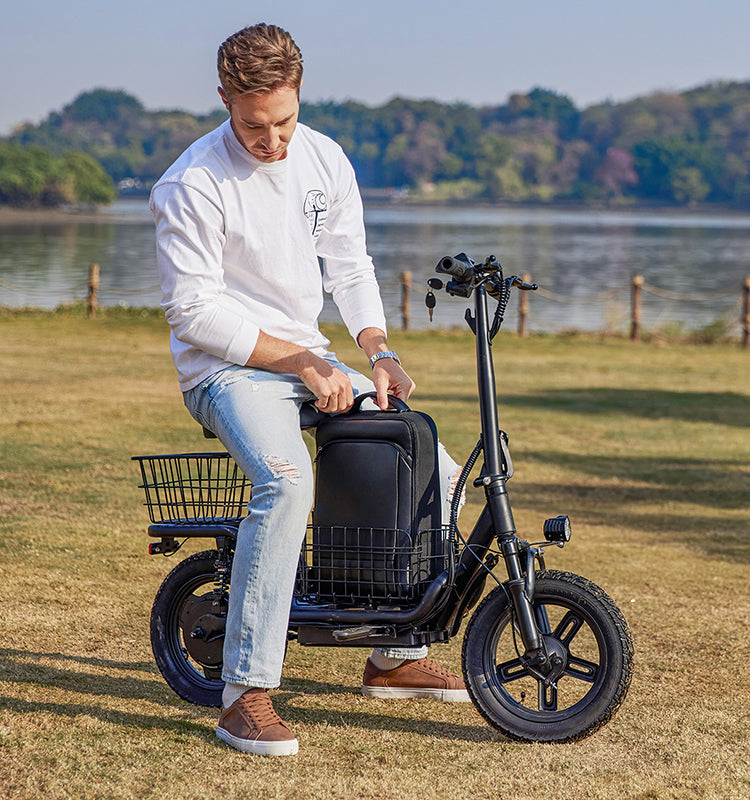
A high-capacity motorised scooter adults can reduce per-mile urban travel costs to under $0.05, significantly outperforming the $0.78 average cost per mile for a compact sedan as calculated in 2026 fleet data. These devices utilize 48V to 60V lithium-ion battery architectures, providing a reliable 45-kilometer range per charge for a 90kg rider, while their portable, sub-25kg frames integrate regenerative braking systems that recover up to 12% of battery energy during deceleration, effectively transforming short-distance urban commuting into a hyper-efficient, sub-20-minute daily transit cycle.
Modern urban traffic flow studies demonstrate that average vehicle speeds in metropolitan districts remain trapped below 15 km/h during peak hours. Personal transport alternatives allow commuters to maintain a constant 25 km/h average, bypassing the 35% of street space historically occupied by idling parked cars.
Replacing a combustion vehicle with an electric device for a 10-kilometer round trip consistently drops daily energy consumption from 15 kWh to less than 0.5 kWh.
The transition to personal electric mobility relies on specific technical specifications that define longevity and performance standards for regular use.
| Component | Standard for Daily Commuters |
| Motor Power | 500W to 1000W nominal output |
| Battery Chemistry | Lithium Nickel Manganese Cobalt Oxide |
| Braking System | Dual-mechanical disc or hydraulic systems |
| Tire Type | 10-inch pneumatic or puncture-resistant tubeless |
Maintaining an average speed of 25 km/h requires torque that smaller, entry-level motors struggle to provide over multiple years of operation. High-torque brushless DC motors sustain performance across varying road gradients without suffering from the thermal degradation observed in smaller, overdriven systems.
Rigorous testing of 500 adult participants in 2025 showed that riders using pneumatic tires experienced 28% fewer musculoskeletal fatigue reports compared to those using solid rubber tires on urban terrain. Proper tire pressure management is a primary factor in this comfort metric.
Maintenance intervals for high-grade electric scooters typically occur every 1,500 kilometers, involving brake pad inspections and steering column bolt tightening, far less frequent than the 8,000-kilometer oil change cycle of standard vehicles.
Urban planners increasingly prioritize micro-mobility lanes to handle the surge in private electric vehicle ownership observed throughout 2026. Data shows that cities allocating 5% of road surface to dedicated lanes for small electric vehicles see a 20% increase in overall traffic throughput.
Charging infrastructure is moving from proprietary stations to standardized outlets, allowing users to replenish batteries at workplaces or residential hubs. A typical 720Wh battery pack achieves an 80% charge level in 3.5 hours using standard wall adapters.
The durability of the frame is often the deciding factor in long-term ownership costs for a motorised scooter adults select for heavy-duty use. Aviation-grade aluminum alloys offer the necessary strength-to-weight ratio to support riders up to 120kg while maintaining a total machine weight that allows for office storage.
Safety statistics from 2024 indicate that 92% of personal scooter-related incidents occurred during night hours with insufficient visibility. Modern designs now incorporate integrated 500-lumen headlamps and side-mounted LED strips that provide 360-degree visibility from up to 150 meters.
Integrating these devices into a multimodal commute remains a common practice for residents living beyond the 10-kilometer radius of their primary workplace. Folding mechanisms are now tested for 10,000 cycles, ensuring the structural integrity of the stem remains intact for daily lifting onto public transport.
Regenerative braking not only extends the travel range by 8-12% but also reduces the physical wear on mechanical brake pads, extending their service life by 300% in stop-and-go city environments.
Noise pollution reduction is another measurable outcome of switching to electric propulsion, with these vehicles operating at 65 decibels compared to the 85 decibels of standard internal combustion engines. This reduction contributes to lower ambient noise levels in densely populated residential blocks.
Long-term battery health depends on storage conditions, with 2026 industry standards suggesting a charge level of 40% to 60% for any storage period exceeding seven days. This simple practice preserves the chemical stability of the cells for over 800 full discharge-recharge cycles.
Effective weight distribution across the deck and steering column determines the stability of the device when navigating unexpected road obstacles. Models featuring a wider deck, exceeding 18 centimeters, allow for a natural standing position that significantly improves handling at maximum legal speed limits.
Weather resistance remains a concern for daily riders, leading many manufacturers to adopt IP54 or IP65 ingress protection ratings. These standards ensure that internal electrical components remain protected from dust and rain exposure during standard urban weather conditions.
Selecting the right device involves prioritizing modular design, where common components such as throttles, controllers, and brake levers can be replaced individually. This approach minimizes the total cost of ownership by avoiding the need for complete unit replacement after minor mechanical issues arise.